
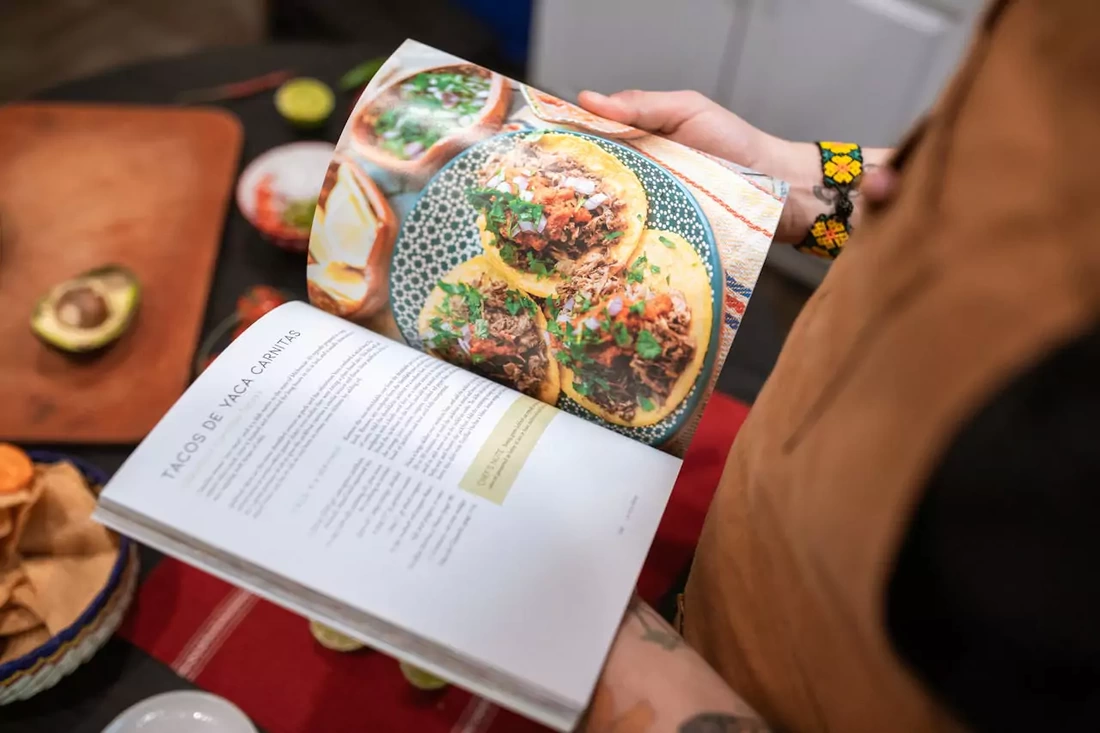
Unlock Your Inner Chef: Recipes That Conquer Cravings
Introduction
Ever feel that tug? That insistent whisper in your ear that says, “Chocolate…pizza…chips…NOW!”? We’ve all been there. Cravings can be powerful, seemingly irrational forces that derail even the best-laid healthy eating plans. But what if you could harness that power, turning those cravings into delicious opportunities to nourish your body and unleash your inner culinary artist?
That’s exactly what we’re going to explore. Forget restrictive diets and feelings of deprivation. This is about understanding why cravings strike, and equipping yourself with recipes and strategies that satisfy those desires while simultaneously nourishing your body.
The Craving Conundrum: Why We Crave (and Why It Matters)
Cravings are complex, often triggered by a cocktail of factors. Short-term, they can lead to impulsive food choices, instant gratification (that sugary rush!), and, ultimately, feelings of guilt and self-reproach. Long-term, consistently succumbing to cravings can contribute to weight gain, nutrient deficiencies, and a reliance on processed, unhealthy foods. This can snowball, impacting energy levels, mood, and even long-term health conditions.
Think of Sarah, a busy marketing executive. Her demanding schedule left her constantly stressed, and her go-to stress reliever was a large bag of salty chips. Initially, it provided a momentary escape, but over time, this habit led to weight gain and a persistent feeling of fatigue. She knew she needed a change, but the cravings felt insurmountable.
The good news? Understanding the root causes of cravings empowers you to take control. Here are some common culprits:
- Nutrient Deficiencies: Sometimes, your body craves specific nutrients. A chocolate craving might indicate a magnesium deficiency, while a salty craving could signal the need for more electrolytes.
- Emotional Eating: Stress, boredom, sadness, or even happiness can trigger cravings. Food becomes a coping mechanism.
- Habit and Conditioning: Regularly eating certain foods in specific situations can create powerful associations. Think movie night = popcorn, or Friday night = pizza.
- Hormonal Fluctuations: Especially in women, hormonal shifts during menstruation or pregnancy can significantly impact cravings.
- Lack of Sleep: Insufficient sleep disrupts hormone regulation, leading to increased cravings for sugary and processed foods.
From Craving Crusher to Culinary Creator: Recipes That Reinvent Indulgence
The key is to find healthy alternatives that satisfy your cravings without sacrificing flavor or enjoyment. These recipes aren’t about deprivation; they’re about conscious choices that nourish your body and delight your taste buds.
Here are a few examples to get you started:
- Craving Chocolate? Try:Avocado Chocolate Mousse. Yes, avocado! This creamy, decadent mousse is surprisingly healthy, packed with healthy fats and fiber. Simply blend ripe avocado, cocoa powder, a touch of maple syrup (or honey), vanilla extract, and a pinch of salt. Adjust the sweetness to your liking. Case Study: Michael, a self-confessed chocolate addict, replaced his nightly candy bar with this mousse. He was amazed at how satisfying it was and noticed a significant improvement in his energy levels.
- Craving Something Salty and Crunchy? Try:Roasted Chickpeas. Forget the greasy potato chips! Toss chickpeas with olive oil, salt, paprika, garlic powder, and any other spices you enjoy. Roast them in the oven until crispy. They’re packed with protein and fiber, keeping you full and satisfied. This is a perfect example of re-training your brain and body to enjoy the “salty crunch” without the guilt.
- Craving Pizza? Try:Cauliflower Crust Pizza. Okay, it’s not *exactly* the same, but it’s a surprisingly delicious and healthy alternative. Grate cauliflower, steam it, squeeze out the excess moisture, and mix it with egg, cheese, and seasonings. Press it onto a baking sheet and bake until golden brown. Then, top with your favorite healthy toppings. This allows you to indulge in the pizza experience with a significant reduction in carbs and calories.
- Craving Ice Cream? Try:Frozen Banana “Nice” Cream. Simply freeze sliced bananas and blend them in a food processor until smooth and creamy. You can add cocoa powder, peanut butter, berries, or other healthy additions to customize your flavor. This is a quick and easy way to satisfy that sweet, creamy craving without any added sugar or unhealthy fats.
Beyond Recipes: Strategies for Long-Term Craving Control
Recipes are a powerful tool, but they’re just one piece of the puzzle. Here are several strategies to help you manage cravings long-term:
- Mindful Eating: Pay attention to your body’s hunger and fullness cues. Eat slowly, savor each bite, and avoid distractions. This helps you recognize when you’re truly hungry versus eating out of boredom or emotion.
- Hydration: Sometimes, thirst can be mistaken for hunger or cravings. Drink plenty of water throughout the day.
- Stress Management: Find healthy ways to cope with stress, such as exercise, meditation, yoga, or spending time in nature. Sarah, the marketing executive, started practicing mindfulness meditation. She found that it significantly reduced her stress levels and, consequently, her cravings for chips.
- Sleep Hygiene: Prioritize sleep to regulate hormones and reduce cravings. Aim for 7-8 hours of quality sleep each night.
- Plan Ahead: Prepare healthy meals and snacks in advance to avoid impulsive food choices when cravings strike.
- Don’t Deprive Yourself Completely: Allowing yourself small indulgences occasionally can help prevent feelings of deprivation and binge eating. The 80/20 rule (eating healthy 80% of the time and allowing for 20% indulgences) can be a sustainable approach.
- Identify Triggers: Keep a food journal to track your cravings and identify the situations, emotions, or times of day that trigger them. Once you know your triggers, you can develop strategies to avoid or manage them.
- Focus on Whole Foods: A diet rich in fruits, vegetables, whole grains, and lean protein provides essential nutrients and helps regulate blood sugar levels, reducing cravings.
Alternative Approaches: Tailoring Your Strategy
The best approach to managing cravings is the one that works for *you*. Consider these alternative options:
- Professional Guidance: A registered dietitian or therapist can provide personalized guidance and support in managing cravings and developing healthy eating habits.
- Hypnotherapy: Hypnotherapy can help address the underlying emotional and psychological factors that contribute to cravings.
- Acupuncture: Some people find that acupuncture helps to reduce cravings and promote relaxation.
- Support Groups: Connecting with others who are struggling with similar issues can provide valuable support and accountability.
Your Culinary Journey Begins Now
Conquering cravings is a journey, not a destination. There will be setbacks along the way. The key is to be patient with yourself, learn from your experiences, and celebrate your successes. Armed with these recipes, strategies, and a healthy dose of self-compassion, you can unlock your inner chef, nourish your body, and take control of your cravings.
Don’t wait for the “perfect” moment to start. Pick one recipe, try one new strategy, and take the first step towards a healthier, happier you. The power is in your hands (and your kitchen!). The journey to a healthier and happier you starts with a single step, or perhaps a single delicious, healthy bite. Go on, unlock your inner chef and conquer those cravings!