
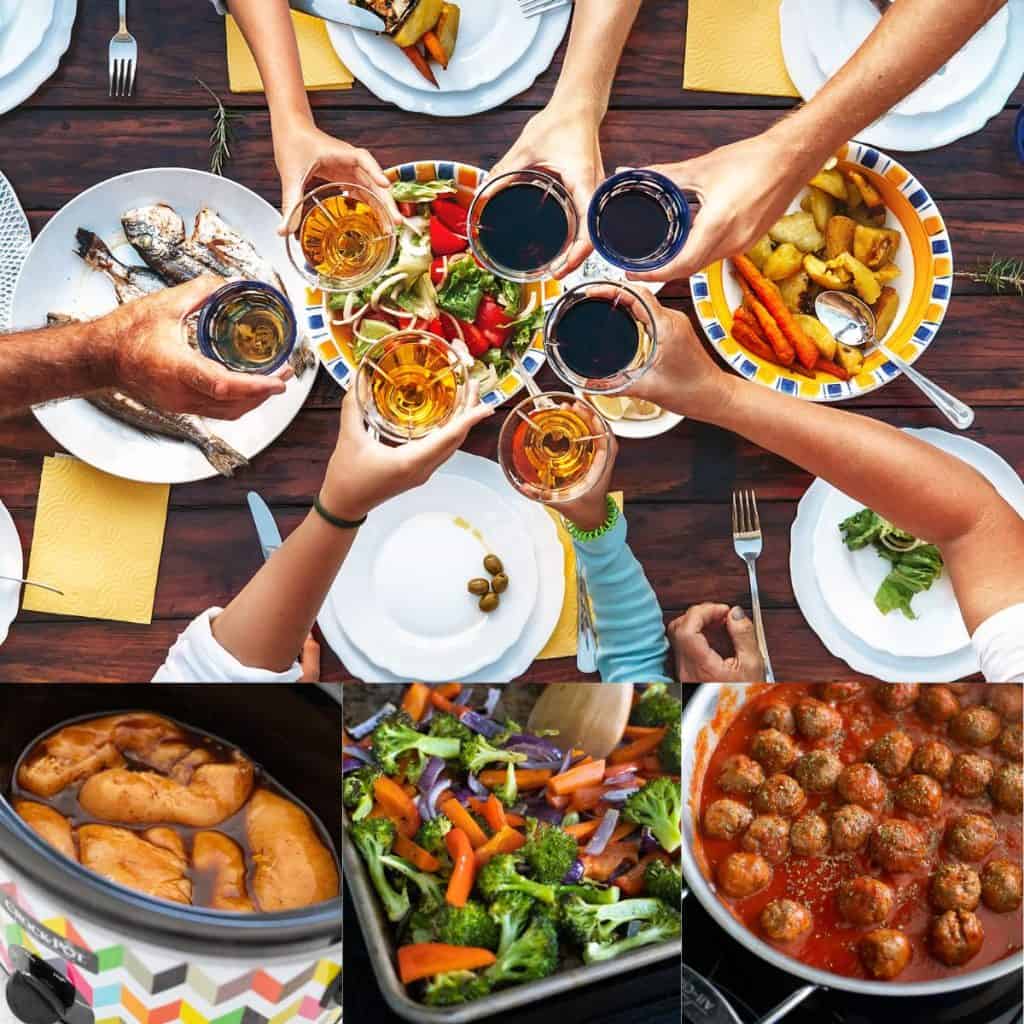
Conquer Dinner Chaos: Family Meal Ideas They’ll Actually Eat
Introduction
Remember those idyllic visions of family dinners? Laughter echoing around the table, everyone happily munching on nutritious food, engaging in stimulating conversation? The reality, for most of us, is often… different. More like a nightly battleground of picky eaters, time constraints, and the looming dread of “what’s for dinner?” Dinner chaos is real. And it’s exhausting.
The Ripple Effect of Dinner Disasters
Let’s be honest, the impact of struggling with family meals goes beyond just a stressful 30 minutes each evening. In the short term, it can manifest as:
- Increased stress and anxiety: The mental load of planning, prepping, and then coaxing everyone to eat can take a serious toll.
- Nutritional deficiencies: When kids consistently reject healthy foods, ensuring they get the vitamins and minerals they need becomes a constant worry.
- Wasted food and money: How much food ends up in the bin after a failed dinner attempt? It’s probably more than you’d like to admit.
But the long-term consequences are even more significant. Poor eating habits established early on can contribute to:
- Health issues: Obesity, type 2 diabetes, and other diet-related diseases are increasingly prevalent, and childhood eating habits play a significant role.
- Negative relationship with food: Forcing kids to eat or constantly restricting their choices can lead to anxiety and unhealthy eating patterns later in life.
- Family disharmony: Constant mealtime battles can create tension and resentment within the family unit.
So, how do we break free from this cycle? How do we conquer dinner chaos and create a more enjoyable, healthier, and connected family meal experience?
Strategies for Dinner Domination
Here are several actionable strategies, tailored to different situations and preferences, that can help you reclaim your evenings and transform your family’s relationship with food:
1. The Power of Planning (Without Feeling Overwhelmed)
Spontaneity has its place, but dinner isn’t usually it. A little planning goes a long way.
- Themed Nights: Assign a theme to each night of the week (Taco Tuesday, Pasta Wednesday, Stir-Fry Friday). This narrows down your options and simplifies the decision-making process.
- Batch Cooking Sundays: Spend a few hours on the weekend preparing ingredients or entire meals. Cook a large batch of rice, chop vegetables, or even make a casserole that can be reheated throughout the week.
- The “Emergency Meal” List: Keep a running list of quick, easy meals that you know everyone will eat in a pinch. Think pasta with pesto, quesadillas, or scrambled eggs with toast.
- Example: Sarah, a working mom with two young children, used to dread dinnertime. She implemented themed nights – Monday was soup, Tuesday was tacos, Wednesday was pasta, Thursday was chicken, and Friday was pizza night. This simple system drastically reduced her decision fatigue and made grocery shopping much easier.
2. Involve the Kids (Age Appropriately)
Children are more likely to eat food they’ve helped prepare.
- Age-Appropriate Tasks: Even young children can help with simple tasks like washing vegetables, tearing lettuce, or setting the table. Older children can take on more responsibility, such as chopping ingredients or following a recipe.
- Grow Your Own: If you have space, consider starting a small herb garden or even a few vegetable plants. Kids are fascinated by watching food grow and are more likely to try something they’ve nurtured themselves.
- Let Them Choose (Within Limits): Instead of dictating every meal, offer a few healthy options and let your children choose what they want. For example, “Would you like broccoli or carrots with your chicken tonight?”
- Case Study: A local elementary school introduced a gardening program where students grew vegetables. The cafeteria then incorporated those vegetables into the school lunch menu. Teachers reported a significant increase in the number of students trying (and enjoying) vegetables they had previously refused to eat.
3. The Art of Presentation (Making Food Appealing)
How food looks can be just as important as how it tastes, especially for picky eaters.
- Plate Appeal: Arrange food attractively on the plate. Use colorful vegetables, cut food into fun shapes, or create a “face” with the different components of the meal.
- Dipping Delights: Offer healthy dips like hummus, guacamole, or yogurt-based dressings to encourage children to try new foods.
- Build-Your-Own Bars: Create a taco bar, salad bar, or even a pasta bar where everyone can customize their own meal. This gives children a sense of control and allows them to try new combinations.
- Example: A mom of a toddler always struggled with getting her child to eat vegetables. One day she decided to create a “vegetable train” on his plate. The vegetables became the carriages of the train. The toddler loved the presentation, and it encouraged him to try some.
4. The “One Bite Rule” (Without the Pressure)
Avoid power struggles by implementing the “one bite rule.”
- No Force-Feeding: Never force a child to eat something they don’t want to. This can create negative associations with food and lead to future problems.
- Encouragement, Not Demands: Instead of demanding, “You have to eat all your broccoli,” try a gentler approach: “Just try one bite of broccoli. If you don’t like it, you don’t have to eat any more.”
- Exposure is Key: Repeated exposure to new foods, even if they are initially rejected, can eventually lead to acceptance.
- Considerations: This is best when you don’t apply this rule to meals that they are familiar with. This will give them a chance to be exposed to something new without being forced to eat it.
5. Rethink “Kid Food” (Beyond Chicken Nuggets)
Expand your children’s culinary horizons by offering them a variety of flavors and textures.
- Adult Food, Kid-Friendly Portions: Instead of cooking separate meals, offer your children smaller portions of what you are eating.
- Sneaky Swaps: Gradually introduce healthier ingredients into familiar dishes. For example, add pureed vegetables to pasta sauce, use whole-wheat flour in baking, or substitute Greek yogurt for sour cream.
- Flavor Exploration: Introduce different herbs and spices to your cooking. Even picky eaters can develop a taste for new flavors.
- Example: Instead of offering chicken nuggets every time, try making homemade chicken tenders with whole-wheat breading and baking them instead of frying. Serve them with a side of roasted sweet potato fries.
6. Minimize Distractions (Focus on Food)
Create a positive and mindful eating environment.
- Turn Off the TV: Studies have shown that watching TV during meals can lead to overeating and poor food choices.
- Put Away the Phones: Encourage everyone to put away their phones and tablets during mealtime.
- Engage in Conversation: Use mealtimes as an opportunity to connect with your family and discuss the day’s events.
- Create a Relaxing Atmosphere: Dim the lights, play some soft music, and create a calm and inviting environment.
7. Be a Role Model (Lead by Example)
Children are more likely to adopt healthy eating habits if they see their parents doing the same.
- Eat Your Vegetables: Show your children that you enjoy eating healthy foods by including them in your own meals.
- Talk About Food: Discuss the different flavors, textures, and nutrients in your food.
- Avoid Criticizing Your Own Body: Be mindful of the language you use when talking about food and your body.
- Case Study: A family decided to do a 30-day “eat your fruits and veggies” challenge. Each member of the family had to try and eat at least 5 servings of fruit and vegetables each day. The children not only saw their parents participating but also made it a fun competition. They tracked their daily consumption, and at the end of the challenge, the whole family felt healthier and had developed better eating habits.
Dinner Domination: A Journey, Not a Destination
Conquering dinner chaos isn’t an overnight fix. It’s a process of experimentation, adaptation, and, most importantly, patience. Don’t get discouraged if you encounter resistance along the way. Celebrate small victories, learn from your mistakes, and remember that every step you take towards creating a healthier and more enjoyable family meal experience is a step in the right direction. The rewards are worth the effort: healthier children, happier families, and a less stressful (and more delicious) dinnertime for everyone. So, take a deep breath, choose one or two strategies that resonate with you, and start your journey to dinner domination today! You’ve got this.